The modern office has changed significantly over the past decade. Flexible work models, hybrid schedules, smart building technologies, and higher employee expectations have influenced every aspect of workplace design.
One area that often receives less attention, despite its impact on daily operations, is the entry experience. Employees, visitors, contractors, and clients all form an impression of an organization within the first few moments of arriving at its office.
An office entrance should do more than provide access. It should create a smooth, organized, and welcoming experience that supports productivity while reflecting the company's culture. Long queues, confusing layouts, and outdated access procedures can create unnecessary frustration before the workday even begins.
Organizations are recognizing that thoughtful entry design contributes to both operational efficiency and employee satisfaction. This shift has encouraged architects, facility managers, workplace designers, and technology teams to collaborate to create intuitive office entrances.
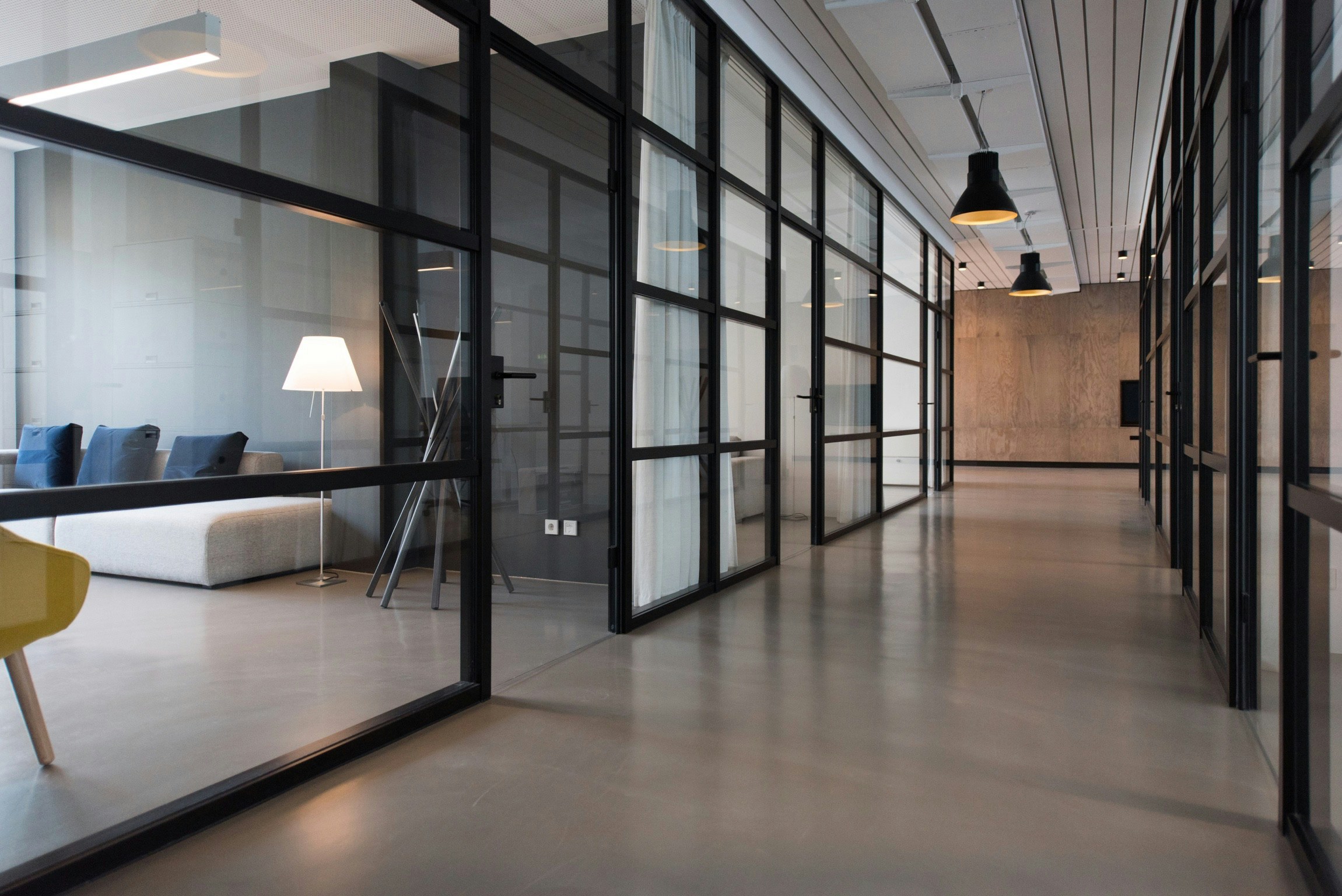
Why Entry Experiences Matter
People tend to form opinions about spaces much like they do about other people. Psychology Today reports that people form a first impression in roughly seven seconds, and changing that initial perception can be difficult. The same principle applies to office environments. A lobby that appears uninviting, difficult to navigate, or dated shapes visitors' perceptions before anyone says a word.
First impressions carry greater weight today than they did ten years ago. Employees appreciate a workplace where they can enter quickly without dealing with unnecessary obstacles.
A well-designed entrance also helps maintain consistent traffic flow during busy hours. Morning arrivals, lunch breaks, meetings, and special events can all create periods of heavy foot traffic. When these situations are anticipated during the design process, movement remains steady without causing congestion.
The entry experience also contributes to accessibility. Wide walkways, intuitive signage, automatic doors, etc., help create an environment that accommodates a wide range of users with varying needs.
Balancing Convenience with Modern Building Requirements
Office designers are increasingly expected to create environments that support convenience alongside operational requirements. However, they are not relying on multiple checkpoints that interrupt movement. Instead, many organizations are looking for integrated solutions that allow people to move through entrances naturally while supporting building policies.
This approach has encouraged greater adoption of technologies that operate quietly in the background. Digital visitor management platforms, mobile credentials, cloud-based access systems, and advanced screening technologies all contribute to a more seamless arrival experience.
Some offices also require advanced weapon detection systems (AWDS) to prevent theft or attacks. According to GXC Inc., OPENGATE’s weapon detection systems are ideal for such scenarios. They offer plug-and-play wireless installation for quick and easy setup.
The OPENGATE AWDS can become part of a broader entrance strategy that emphasizes efficient movement through high-traffic office environments. When integrated into an overall workplace design plan, technologies like these can help organizations reduce bottlenecks while maintaining a welcoming atmosphere.
The key consideration is ensuring that every technology supports the overall visitor experience instead of becoming the center of attention.
Offices Are Being Rebuilt Around Experience
Entry technology and entryways are quietly becoming a major part of the experience. Thus, the pressure to impress has pushed developers to rethink entire buildings, not just lobbies. Property owners are repositioning office towers, expanding their use beyond the original purpose to include libraries, event space, and community amenities.
“We need to turn workplace functions from a cost-center, shared-services mentality into a strategic business unit that delivers ROI and shifts from space utilization into a user-centered mentality and processes that look like product development cycles. Data is at the center of this opportunity,” says future of work expert Annie Dean.
Occupancy has not fully recovered since the remote and hybrid culture became the new norm. So, buildings now compete for tenants the way retailers compete for shoppers. That competition starts at the door. A tower with a striking, functional entrance has an edge over one that still feels like 2015.
The Importance of Clear Wayfinding
An impressive entrance loses its impact if people struggle to find their way afterward. A study found that making key features, such as staircases, clearly visible improved wayfinding efficiency. This allowed participants to reach their destinations with shorter walking distances. The researchers described this phenomenon as "strategic visibility."
In practice, features like glass stairwells and unobstructed sightlines offer more than visual appeal. They help ease the uncertainty of figuring out where to go. Clear, simple signage also supports navigation by reducing hesitation and making the arrival experience feel smooth rather than institutional.
Many organizations also use digital displays that provide meeting information, floor directories, or visitor instructions. These systems can be updated quickly and allow businesses to communicate important information without replacing physical signs.
Good wayfinding also supports employees by making office navigation easier for new hires, temporary staff, and visiting colleagues from other locations.
Frequently Asked Questions
How can office entry design improve employee morale?
A well-planned office entrance contributes to a more positive work environment because it reduces daily frustrations that can accumulate over time. Quick access, comfortable surroundings, and organized visitor management create a smoother start to the workday. Employees often appreciate workplaces that prioritize convenience, helping them feel that the organization values both their time and overall experience.
What role does sustainability play in modern office entrance design?
Sustainability has become an important consideration when designing office entrances. Many organizations choose energy-efficient lighting, automatic doors that minimize energy loss, and environmentally friendly building materials. Landscaping with native plants and maximizing natural daylight can also support environmental goals while creating a more welcoming entrance.
How often should businesses evaluate their office entry process?
Most organizations benefit from reviewing their entry process at least once a year or whenever significant workplace changes occur. Gathering feedback from employees, guests, and reception teams can reveal recurring challenges and opportunities for improvement. Regular evaluations help ensure the entrance continues to meet operational needs as the organization grows.
Key Statistics and Facts
The average time people take to form a first impression | Around 7 seconds |
Peak traffic periods that require efficient office entry planning | Morning arrivals, lunch breaks, and events |
Buildings are being repositioned | Many office properties now include amenities like libraries, event spaces, and community areas to attract tenants. |
Strategic visibility improves navigation | Research found that clearly visible features, such as staircases, help people reach destinations more efficiently with shorter walking distances. |
Digital wayfinding systems | Enable businesses to update visitor information and directories without replacing physical signage. |
Modern office entrances have become an important part of the overall workplace experience. They influence first impressions, support efficient daily operations, and contribute to employee satisfaction from the moment someone arrives.
Thoughtful design combines intuitive layouts, accessible features, clear wayfinding, welcoming reception spaces, and integrated technologies that work together without creating unnecessary complexity. When every element supports smooth movement, visitors spend less time navigating and more time focusing on the purpose of their visit.