Searching for help with leg pain, swelling, or varicose veins can feel overwhelming. You see dozens of clinics, and they all seem to say the same things. They promise "state-of-the-art" care and "minimally invasive" procedures. But how do you look past the marketing and find the right specialist? The key is knowing which questions to ask before you ever commit to a plan. This guide will give you a clear framework for evaluating your options for vein disease treatment in Irvine. You deserve a clear diagnosis and a personalized plan. True expertise isn't just about the technology a clinic owns. It's about how they use it to understand your specific condition. You can cut through the noise by focusing on a few critical areas: the doctor's credentials, the diagnostic process, and the specific treatment options they offer. Quick answer: To choose the best vein disease treatment, you should verify a physician’s specialization in vascular conditions. Ask detailed questions about their diagnostic process, like whether they use vascular ultrasound. Finally, ensure they can explain why a specific procedure, like radiofrequency ablation or sclerotherapy, is right for you. What's inside What’s the Difference Between a Vein Specialist and a Generalist? Which Vein Treatment Technologies Should You Know By Name? How Can You Spot Red Flags During a Consultation? ──────────────────────────────────────── You should seek a physician whose primary focus is vascular medicine. Many different types of doctors offer vein treatments. But a dedicated specialist has deeper training in the circulatory system. This focus is crucial for an accurate diagnosis and an effective, long-term solution. Look for credentials like "vascular surgeon" or "interventional radiologist." A vascular surgeon is trained in both open and minimally invasive procedures for arteries and veins. An interventional radiologist uses image-guided techniques to perform minimally invasive treatments. Both have spent years focused exclusively on blood vessels, which is a level of expertise you won't find with a generalist. A specialist's diagnostic process is also more thorough. A true expert will insist on a vascular ultrasound before recommending any treatment. This imaging test maps your veins and checks for venous reflux. Venous reflux is when blood flows backward due to faulty valves. Simply treating the visible varicose vein without fixing the underlying reflux is a temporary fix at best. ❝ Ask your potential doctor: "Is your practice dedicated full-time to treating vascular conditions, or is it one of many services you offer?" The answer reveals their level of focus and experience. A dedicated practice will offer a full spectrum of modern procedures. They won't push a one-size-fits-all solution. Your treatment plan should be based on your specific ultrasound findings. This might involve radiofrequency ablation (RFA), VenaSeal, or sclerotherapy. A specialist can explain why one is better for your unique anatomy. Reviewing a full list of modern vein disease treatment Irvine options can help you prepare for your consultation. ──────────────────────────────────────── You should familiarize yourself with the main categories of modern, minimally invasive treatments. Each one targets a different type of vein issue. A true specialist will have access to several of these technologies. They will recommend a specific one based on your ultrasound results, not just on what their clinic happens to offer. Understanding the basics helps you have a more informed conversation with your doctor. This is the modern standard for treating venous reflux in the main superficial veins. Procedures like radiofrequency ablation (RFA) use targeted heat to close the faulty vein. Your specialist inserts a thin catheter into the vein. The catheter delivers controlled energy, which seals the vein wall shut. Your body then naturally reroutes blood flow to healthier veins nearby. The results can be long-lasting, with one study from Envveno showing 83.3% of subjects maintained a clinically meaningful benefit after 24 months. The entire procedure is done in-office with local anesthesia. ✓ Key Facts: Targets the underlying source of venous reflux. Uses heat from radiofrequency or laser energy. Requires only local anesthesia and a tiny entry point. If you have large, bulging veins on the surface, this procedure removes them directly. It's often called an ambulatory phlebectomy. The physician makes tiny punctures in the skin right next to the varicose vein. They then use a small hook-like tool to remove the vein segment by segment. The punctures are so small they typically don't require stitches and leave minimal scarring. This is often performed alongside an ablation procedure for comprehensive results. ✓ Key Facts: Physically removes bulging, superficial varicose veins. Performed through very small punctures, not large incisions. Often combined with an ablation procedure for a complete treatment. This treatment is the gold standard for spider veins and small reticular veins. Your doctor injects a special solution, called a sclerosant, directly into the targeted vein. This solution irritates the lining of the vein. This causes it to collapse, stick together, and eventually get reabsorbed by the body. The vein fades from view over a period of weeks. You may need a few sessions to achieve your desired cosmetic result. ✓ Key Facts: An injectable treatment ideal for cosmetic spider veins. The solution causes the vein to close and fade away. Multiple sessions may be needed for the best outcome. A newer approach to closing a large, faulty vein uses a medical-grade glue. The VenaSeal procedure is a non-thermal option. It works similarly to ablation, with a catheter placed inside the vein. But instead of heat, it delivers small drops of a special adhesive to seal the vein shut. A key benefit is that you often don't need to wear compression stockings after the procedure. This is a significant advantage for many patients. ✓ Key Facts: Uses a medical-grade cyanoacrylate adhesive to close the vein. A non-thermal, non-sclerosant alternative to ablation. Often eliminates the need for post-procedure compression stockings. ──────────────────────────────────────── You can spot red flags by watching for high-pressure sales tactics and vague, one-size-fits-all answers. A quality consultation should feel like a medical appointment, not a sales pitch. Your comfort and confidence in the physician are the most important factors. The goal is to find a partner for your health, not just a service provider. Pay close attention to how the clinic staff and physician communicate with you. Do they listen to your concerns? Do they take the time to answer your questions thoroughly? A rushed or dismissive attitude is a major warning sign. The right clinic will make you feel heard and respected from the moment you walk in. This table is a guide. Always trust your personal judgment during a consultation. You should ask questions that confirm your treatment plan is based on your unique diagnosis. A specialist will be able to clearly connect their recommendation to your ultrasound results. They should explain not just what they want to do, but why it's the best option for you compared to other available treatments. ❝ A good doctor explains the "why" behind your treatment plan. A salesperson just describes the "what." If you don't understand the "why," keep asking until you do. Your plan should also include clear expectations for the procedure and recovery. Ask about what to expect on the day of treatment. Inquire about post-procedure care, including the use of compression stockings and any activity limitations. Finally, ask about the follow-up process. A good clinic will schedule a follow-up visit to ensure the vein has closed properly and your symptoms are improving. A professional clinic's staff will handle the entire insurance process for you. This includes verifying your benefits and obtaining pre-authorization before any procedure is scheduled. Pre-authorization is the process of getting approval from your insurance company before a treatment. It confirms that the procedure is medically necessary and will be covered under your plan. This is a critical step that protects you from unexpected bills. If a clinic seems vague about insurance or asks you to call your provider yourself, be cautious. Experienced administrative teams know exactly how to navigate this process. They should be able to give you a clear estimate of your out-of-pocket costs, such as your deductible or coinsurance, well before your treatment day. ──────────────────────────────────────── Here are answers to common questions that come up when you're evaluating your options. How much does vein disease treatment cost? Your final cost depends entirely on your insurance plan and the specific procedures you need. Medically necessary treatments for symptomatic venous reflux are typically covered by insurance. A reputable clinic will verify your benefits and secure pre-authorization to give you a clear estimate of your out-of-pocket responsibility, like deductibles or copays, before you commit to a plan. Do I need a referral to see a vein specialist? This depends on your insurance policy. If you have an HMO plan, you will likely need a referral from your primary care physician. If you have a PPO plan, you can usually self-refer and schedule a consultation directly with a specialist. Is the treatment for varicose veins painful? Minimally invasive procedures are performed with local anesthetic, so you should only feel a bit of pressure, not sharp pain. You may experience mild soreness or bruising afterward, which is easily managed with over-the-counter pain relievers. The treatment is designed to relieve existing leg pain, with one study from Envveno reporting a median improvement of 74% on the Visual Analog Scale at 24 months. Most patients are up and walking immediately after the procedure and return to normal activities the next day. How long does a typical vein procedure take? Most in-office procedures, like radiofrequency ablation, take about 45 to 60 minutes from start to finish. The actual time the specialist is treating the vein is often just 15 to 20 minutes of that total. The process is efficient and designed to get you back on your feet quickly. Will my varicose veins come back after treatment? The specific vein that is treated is closed permanently and will not come back. However, venous insufficiency is a chronic condition. This means you could potentially develop new varicose veins in other locations over time. A good specialist will discuss lifestyle changes that can help manage your risk. What exactly do compression stockings do after a procedure? Compression stockings provide graduated pressure, meaning they are tightest at the ankle and looser up the leg. This external support helps keep the newly treated vein sealed shut. It also reduces swelling and improves overall circulation in your leg, which speeds up your recovery and improves the treatment's long-term success. ──────────────────────────────────────── ❝ This article is for general educational purposes only and is not medical advice. Outcomes vary by individual. Consult a qualified healthcare professional before making decisions about your care.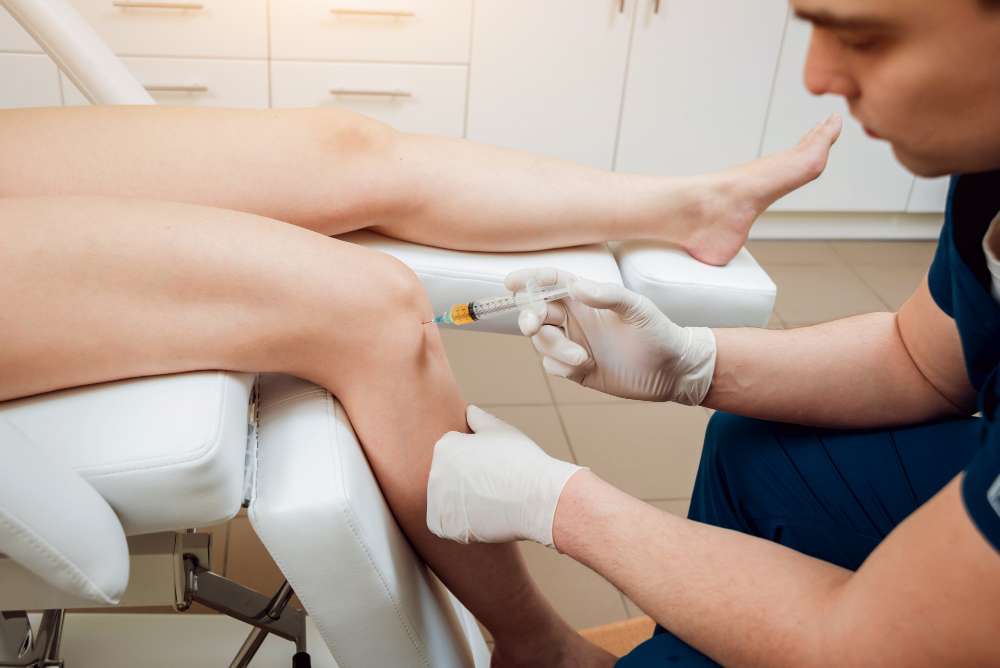
What’s the Difference Between a Vein Specialist and a Generalist?
Which Vein Treatment Technologies Should You Know By Name?
For Large, Underlying Veins: Thermal Ablation
For Twisted, Visible Varicose Veins: Phlebectomy
For Smaller Spider Veins: Sclerotherapy
For a Non-Thermal Option: Medical Adhesives
How Can You Spot Red Flags During a Consultation?
What Questions Should You Ask About Your Treatment Plan?
How Should a Clinic Handle Insurance?
Frequently Asked Questions About Vein Disease Treatment Irvine
Decision FAQs
Technical & Process FAQs