You found the perfect sofa. It looked incredible in the showroom, a masterpiece of form and comfort. But now, in your living room, it feels… off. It’s too big, the color is strange in the afternoon light, and it disrupts the flow of the room. This is a surprisingly common and expensive moment of disappointment. Investing in high-quality pieces should feel rewarding, not regretful. The global luxury high-end furniture market was valued at USD 34.45 billion in 2024, according to Businessresearchinsights. The problem usually isn't your taste. It's a handful of specific, avoidable process mistakes. Navigating a high-end or luxury furniture store Denver showroom requires more than a good eye. It requires a plan to bridge the gap between the curated showroom floor and the reality of your home. Quick answer: To avoid costly furniture mistakes, you must measure for scale, not just size. You should also choose materials based on your real-life use, not just showroom aesthetics. Finally, you need to clarify the delivery process and ensure every piece fits a cohesive design plan. What's inside Mistake 1: Confusing Size with Scale What Are Some Cohesive Design Styles I Can Build? How Do You Plan Your Purchase from a Luxury Furniture Store Denver? ──────────────────────────────────────── You can find more at luxury furniture store Denver. You can avoid this by planning for visual weight and proportion, not just raw dimensions. A piece of furniture's measurements tell you if it will fit through the door. Its scale tells you if it will feel right in the room. Showrooms often have soaring ceilings and vast open floors. A deep, oversized sectional looks perfectly at home there. In your living room with standard eight-foot ceilings, that same piece can feel overwhelming and monumental. Scale is about more than just the footprint. You also need to consider a piece’s “visual weight.” A dark, solid-base media console feels heavier than a glass one on slender metal legs. A light-colored sofa raised on visible feet appears less massive than a dark one sitting flat on the floor. You must account for color, shape, and material to judge how a piece will truly occupy your space. ❝ Before you commit, use painter's tape on your floor to mark the furniture's footprint. Stack some boxes to simulate its height. Live with that outline for a day to feel its impact on traffic flow and sightlines. This mistake often happens when you buy pieces one at a time without a master plan. The scale of your new coffee table must relate to the height of your sofa's seats. The new armchair must feel balanced with the existing fireplace. To train your eye, you can browse galleries from a professional luxury furniture store Denver and study how they pair items in complete room vignettes. ──────────────────────────────────────── You can create a sophisticated, unified look by focusing on a core palette of materials and shapes. A common mistake is buying beautiful but disconnected items. The result is a room that feels more like a collection than a cohesive space. You can avoid this by choosing a design direction first. This gives you a filter for every decision, from a large sectional sofa to a small accent lamp. It ensures every piece works together to tell the same story. This style feels modern, but also inviting and comfortable. It avoids the cold, sterile feeling of pure minimalism. You'll see clean lines and uncluttered surfaces. But they are softened with rich textures and natural materials. Think of a sleek walnut media console paired with a deeply comfortable sofa in a textured, neutral fabric. ✓ Key Design Choices: Materials: Focus on warm woods like walnut or teak. Use rich leathers in cognac or charcoal. Add accents of brass or matte black metal. Fabrics: Choose tactile materials. Boucle, velvet, and high-quality linen add softness and depth. Silhouettes: Look for low-profile sofas and chairs with clean, simple lines. Balance these with a few sculptural pieces, like a unique floor lamp or an artistic coffee table. This approach brings the calming influence of nature indoors. It emphasizes natural materials, gentle curves, and a light, airy color palette. The goal is a serene and grounded environment. Imagine a living room with a curved sofa, a travertine coffee table, and light filtering through linen curtains. It's sophisticated yet deeply relaxing. ✓ Key Design Choices: Materials: Use light-toned woods like white oak or ash. Incorporate natural stone, especially marble and travertine, for tables and accents. Colors: Build a palette of soft neutrals. Think ivory, beige, sand, and muted greens. Keep the overall feeling light and bright. Forms: Favor soft, rounded shapes over hard angles. Look for curved sectionals, circular tables, and chairs with gentle, flowing lines. This style borrows from the raw, open feel of urban lofts but adds a layer of polish. It's a masterful mix of rugged and sleek elements. You might pair a dining table with a live-edge wood top and a blackened steel base with upholstered, comfortable chairs. The key is the contrast between raw texture and refined comfort. ✓ Key Design Choices: Materials: Combine raw elements like exposed wood grain and metal with polished surfaces. Mix top-grain leather, which has a uniform finish, with concrete or reclaimed wood. Balance: Ensure every hard, industrial element is balanced by a soft one. A leather sofa softens a concrete floor. A plush rug anchors a metal-frame coffee table. Lighting: Use lighting to create drama. A multi-pendant fixture or a minimalist track light can highlight the room's architectural features and textures. ──────────────────────────────────────── You need a clear plan covering your timeline, budget, and room layout before you start shopping. High-end furniture is an investment with a longer buying cycle. Custom pieces and items from European makers often have significant lead times. Planning ahead prevents rushed decisions and ensures your pieces arrive when you need them. A structured timeline helps you manage the entire process, from initial inspiration to final installation. Custom and European-made pieces can have longer lead times. Confirm with your designer. You can map out your room to ensure every piece fits perfectly in both size and function. Step 1: Measure Everything. Start with the room's dimensions, including ceiling height. Then measure all entry points. This includes doorways, stairwells, and elevators your furniture must pass through. Step 2: Define Your Pathways. Think about how you walk through the room. You need clear, unobstructed paths from one door to another. You also need space to pull out dining chairs or open cabinet doors. Step 3: Lay It Out to Scale. Use graph paper or a simple online tool to draw your room. Create cutouts for your potential furniture pieces. This lets you test different arrangements without moving heavy objects. ❝ Plan for at least 30 inches for main walkways. The gap between a sofa and coffee table should be about 18 inches. This ensures comfort and easy movement. You can identify superior craftsmanship by looking for specific construction details and materials. A luxury price tag should come with lasting quality. Knowing the language of construction helps you ask the right questions. It allows you to see the difference between a piece that just looks good and one that is built to last for decades. Look for frames made from kiln-dried hardwood. This is a process where wood is dried in a controlled environment to remove moisture. It prevents the frame from warping or cracking over time. For upholstered seating, ask about an 8-way hand-tied spring system. This is a durable suspension method where each spring is tied to the others in eight directions, providing even, lasting support. When choosing leather, understand the grades. Full-grain leather is the highest quality, using the entire hide with all its natural textures. Top-grain leather is slightly sanded to create a more uniform appearance while remaining very durable. For wood furniture, a detail like bookmatched veneer signals artistry. This is where two sheets of wood veneer are mirrored, creating a beautiful, symmetrical pattern. ──────────────────────────────────────── Here are answers to a few common questions that come up during the selection and buying process. What's the one piece worth splurging on in a room? You should always prioritize the piece you interact with most. In a living room, this is almost always the sofa. It's the anchor of the space and endures the most daily use, so investing in a quality frame, durable fabric, and lasting comfort pays off for years. Should I buy a complete matching furniture set? You should generally avoid buying a full, pre-matched set. A more sophisticated and personal room comes from curating complementary pieces. A "room in a box" can feel generic, while a collection of items that share a style, color palette, or material creates a more layered and intentional design. How do I choose the right rug size for my new furniture? Your rug should be large enough so at least the front legs of your sofa and all chairs rest on it. This rule unifies the seating area and makes the room feel larger. A small "postage stamp" rug that only sits under the coffee table will visually shrink your space. What does "white glove delivery" actually include? This is a premium service that goes far beyond a standard drop-off. The delivery team will carry the furniture into the correct room, unbox it, perform any required assembly, and place it exactly where you want it. They will also remove and dispose of all packaging materials. Can I provide my own fabric for a custom sofa? Yes, this is often possible through a process called COM, or "Customer's Own Material." You'll need to ask the showroom for the required yardage and any fabric specifications. They may require the fabric to meet a certain durability standard, often measured by its Wyzenbeek double rub count. What should I do if a custom piece arrives with damage? You must inspect every item thoroughly before the delivery team leaves. If you find any issues, note them directly on the bill of lading or delivery receipt before you sign it. Then, contact your design consultant at the showroom immediately to start the resolution process.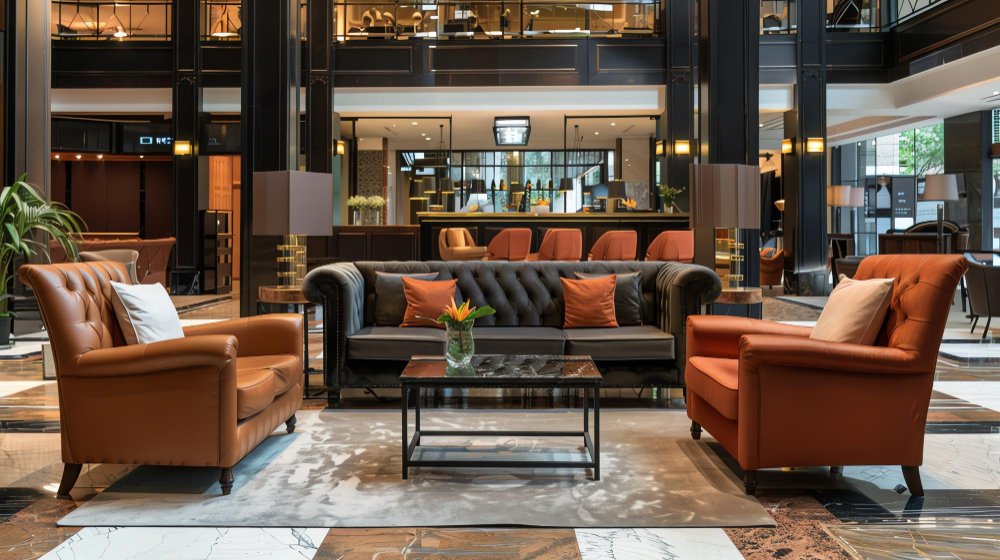
Mistake 1: Confusing Size with Scale
What Are Some Cohesive Design Styles I Can Build?
Warm Contemporary
Organic Modern
Refined Industrial
How Do You Plan Your Purchase from a Luxury Furniture Store Denver?
How Do You Create a Functional Floor Plan?
What Quality Specifications Should You Look For?
Frequently Asked Questions About Luxury Furniture
Decision FAQs
Technical & Process FAQs