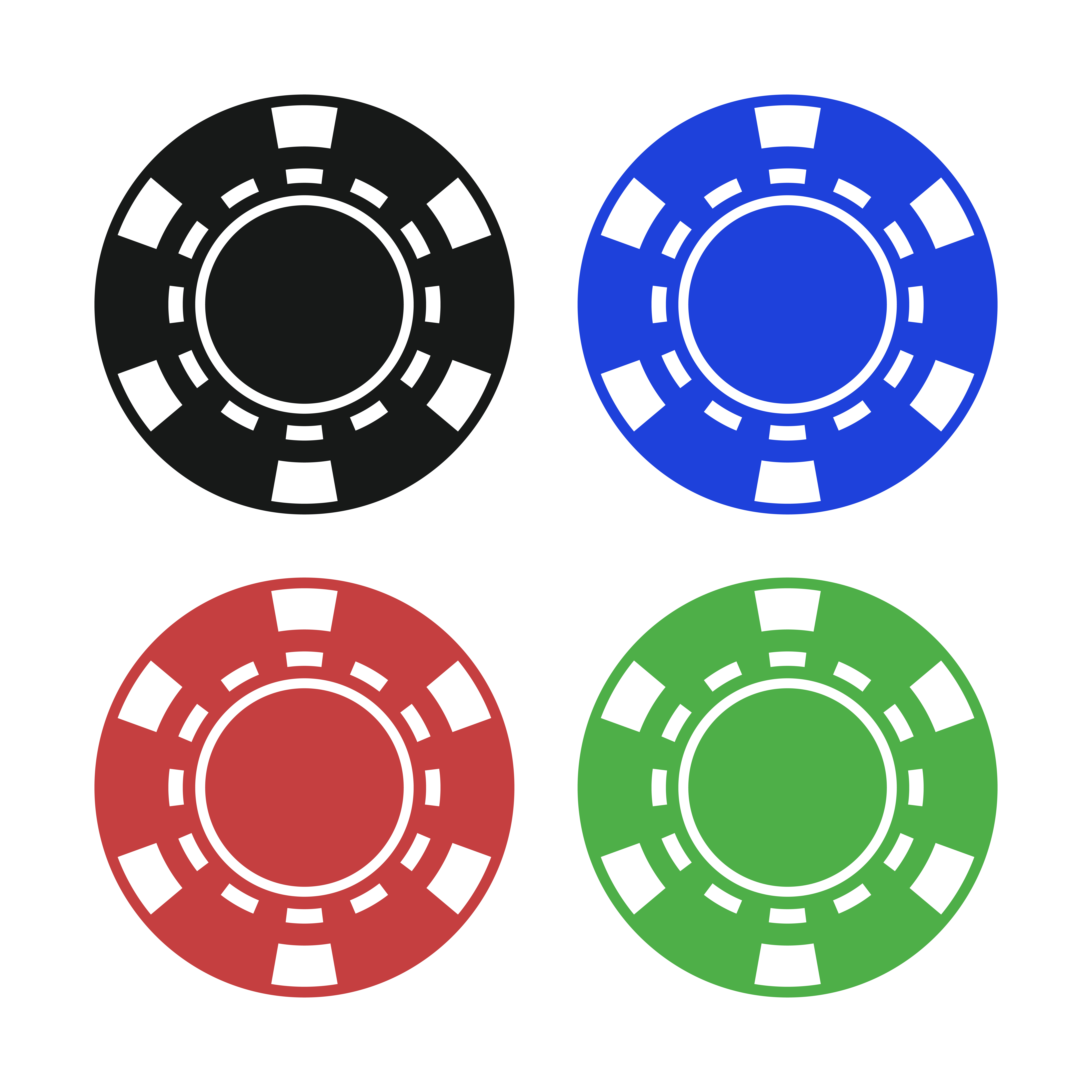
 Think about the last business card you received. Can you picture it? Most paper cards blend together. They get tucked into a wallet, added to a stack, or tossed out. In fact, up to 88% of traditional cards are discarded within a week Your contact information deserves a better fate than the bottom of a desk drawer. You need something that feels substantial and memorable in someone's hand.
This is why many professionals are turning to poker chip business cards, a unique format within the $0.4 billion global poker chip market according to MarketIntelo. They have a satisfying weight and a unique, tactile quality. People don't just glance at them; they hold them, flip them, and show them to others. A well-made chip is a conversation starter that people are reluctant to throw away.
But not all custom chips are created equal. The market is filled with different materials, printing methods, and quality levels. Choosing the right one is key to making a great impression. This guide will walk you through the essential factors. You'll learn what to look for and which questions to ask a vendor.
Quick answer: The best poker chip business cards use durable materials like clay composite or ceramic with direct-to-chip printing. You should focus on a clear, simple design that includes your essential contact info and a QR code. Always ask a potential vendor about their proofing process and minimum order quantity.
You can browse poker chip business cards to see how other couples have woven their story into a deck.
What's inside
Clay vs. Ceramic: What's the Best Material for Poker Chip Business Cards?
What Design Styles Work Best for Poker Chip Business Cards?
How Many Poker Chip Business Cards Do You Need, and When Should You Order?
────────────────────────────────────────
Clay vs. Ceramic: What's the Best Material for Poker Chip Business Cards?
You'll primarily choose between clay composite and ceramic chips. The right one depends on the texture, weight, and design complexity you want. Both are significant upgrades from paper, but they offer very different experiences.
Clay composite chips provide that classic, hefty casino feel. They are made from a compression-molded blend that gives them a satisfying weight in hand. When you stack them, they make that iconic, soft "clink" familiar from poker rooms. This material is perfect if you want to project a traditional, substantial, and established image, and it's no surprise that clay poker chips hold the largest product share of the market at 42.3% per MarketIntelo.
Many clay chips have a recessed center area for the design, called an inlay. A high-quality vendor prints your design on a durable label that fits perfectly into this space. Be cautious of low-cost options that just use a simple sticker. These can peel or bubble over time, undermining the premium feel.
❝ Ask a potential vendor if their clay chips use a simple sticker or a laminated, recessed inlay. A peeling label is the fastest way to make a premium item feel cheap.
Ceramic chips offer a more modern and sleek alternative. They are a single, solid piece of material with a smooth, flat surface. The sound is a sharper, higher-pitched "click" when they connect. They feel crisp and contemporary, making them a great fit for tech companies, designers, or anyone with a modern brand.
The biggest advantage of ceramic is the printing method. Your design is infused directly into the material itself. This allows for full-color, edge-to-edge graphics that cover the entire face of the chip. This full-surface printing opens up more creative options. You can browse online galleries to see how designers use the entire canvas.
Ultimately, your choice sets the tone. Clay composite offers a classic weight and feel. Ceramic provides a modern canvas with maximum design freedom.
────────────────────────────────────────
What Design Styles Work Best for Poker Chip Business Cards?
The best design is simple, scannable, and clearly reflects your professional brand's identity. You want a chip that not only looks good but also functions perfectly as a networking tool. Focus on a design that communicates who you are and what you do in a single glance.
The Corporate Minimalist
This approach is all about clean lines and immediate clarity. Imagine a hefty clay composite chip in a professional color like navy blue or gunmetal gray. One side features your company logo, crisp and centered. The reverse holds your name, title, and a single QR code. The design feels confident and uncluttered, conveying trust and seriousness without any fuss.
✓ Key Design Choices:
Use a clean, sans-serif font like Helvetica or Open Sans for maximum readability.
Generate a QR code that links to your LinkedIn profile or a digital vCard for easy contact saving.
Stick to your brand's two primary colors. Avoid gradients or busy backgrounds.
The Creative Professional
For artists, designers, or photographers, the chip is a mini-portfolio. You'll want a ceramic chip for its full-bleed printing capability. One side can showcase a vibrant piece of your artwork or a professional headshot. The design is bold, colorful, and instantly communicates your unique style. It's an immediate demonstration of your creative skill.
✓ Key Design Choices:
Use a high-resolution image, at least 300 DPI (dots per inch), to ensure a sharp print.
The rolling edge of a ceramic chip is printable space. Use it for your website URL or social media handle.
If one side has a busy image, keep the reverse side simple with just your essential contact info.
The Functional Token
This chip does more than share information; it provides value. It’s perfect for trade shows, bars, or retail stores. Think of a bright red drink token for a networking event or a wooden-textured chip offering a discount. One side has your logo. The other clearly states the offer: "Good for One Free Drink" or "15% Off Your Next Purchase." The design is direct and encourages immediate interaction.
✓ Key Design Choices:
Make the call to action the hero. Use large, bold text that can be read at a glance.
Include an expiration date or event name ("Valid at Booth #412") to create urgency.
Use eye-catching colors that align with the action. A green chip for "Go" or a gold chip for a premium offer.
────────────────────────────────────────
How Many Poker Chip Business Cards Do You Need, and When Should You Order?
You should order based on your event size and timeline, typically aiming for 100 to 500 chips at least four weeks in advance. Production and shipping times vary, so planning ahead prevents rush fees and ensures your chips arrive on time for your big event.
\Pricing varies based on material, printing complexity, and current production volumes.*
How do you calculate your exact order?
Figuring out your final number is simple if you follow a quick process. It helps you avoid both running out and overspending.
Step 1: Estimate Your Core Need. Think about the number of key people you expect to meet. For a trade show, this might be 150 qualified leads, not the 3,000 total attendees.
Step 2: Add a Buffer. Always add extra for unexpected opportunities. You'll want some for vendors, new contacts, or to leave behind at key locations.
Step 3: Round Up to the Minimum. Most vendors have a minimum order quantity (MOQ), often 100 chips. This is because the setup for a custom print job has a fixed cost. Ordering below the MOQ is usually not possible.
❝ Plan for your core need plus a 15 to 20 percent buffer. It’s better to have a few extras for next time than to run out during a crucial conversation.
What key specifications should you look for?
The details of the chip itself determine its impact. You'll want to understand a few key terms to ensure you get a high-quality product.
The chip's weight is a major factor in its perceived value. Look for chips in the 10 to 14-gram range. This gives them a satisfying heft that feels more substantial than lighter, cheaper plastic tokens.
Pay close attention to the printing method. The best options are direct-to-chip printing or a recessed inlay. Direct printing infuses the ink into the chip's surface for a permanent, seamless finish. A recessed inlay involves a printed graphic that is securely placed into a depression in the chip, making it flush and durable. Avoid vendors who use simple adhesive stickers, as these can peel, bubble, or fade over time. Always ask a vendor for a digital proof to check your design's alignment and clarity before the full run.
────────────────────────────────────────
Frequently Asked Questions About Poker Chip Business Cards
Here are answers to a few common questions that come up when you're ready to order. You'll find tips on design choices, technical specs, and the ordering process itself.
Decision FAQs
Should my business chips follow standard casino colors? No, you should prioritize your own brand identity. Casino color codes (like blue for $10 or black for $100) are for gaming and don't apply here. Using your brand's specific colors reinforces your professional image and avoids any confusion about your chip's purpose.
Does it cost more to print a different design on each side? For most modern printing methods, the answer is no. Vendors using direct-to-chip ceramic printing typically include full-color, double-sided designs in the base price. This gives you twice the space to work with, so you can use one side for your logo and the other for contact details.
What's the best thing to link my QR code to? A digital business card, or vCard, is the most effective choice. It lets people save your contact information directly to their phone's address book with a single scan. A link to your professional LinkedIn profile is a great second option. Linking to your general website homepage is less direct and not as impactful.
Technical & Process FAQs
How do I actually design my poker chip business card? Most vendors offer two paths for you. You can use their online design tool to upload a logo and add text yourself. Or, you can submit a finished design file created in a program like Adobe Illustrator. The standard workflow is simple.
What kind of file do I need for my logo? You'll get the sharpest result with a vector file. These formats, like AI, EPS, or SVG, can be resized without losing quality. If you only have a raster file like a JPG or PNG, make sure it's a high-resolution version (at least 300 DPI) to avoid a blurry or pixelated final print.
What if I need my chips for an event next week? Many suppliers offer rush production for an additional fee. You may find options for next-day or even same-day production if you have a tight deadline. Remember that this only expedites the printing time. You will also need to select an express shipping option to get them delivered on time.